

the inner game map pt. II
design your life like a game. walk the path only you can win.


Most people are playing life on tutorial mode without realizing it.
That's why Thomas opened your eyes to the game in one of his latest letters.
But for this one, you're going to learn how to play it properly.
Here's what I've noticed: many follow the same predictable path and grind the same low-XP activities day after day, wondering why they feel stuck, while others seem to level up with ease.
But life isn't a linear game with predetermined levels.
It's an open-world RPG where you can choose your character build, explore new territories, and create your own quests.
How else could you explain those who walk around like custom characters? People who seem to operate by completely different rules than everyone else?

Here's the thing: everyone plays on different terrains and takes different quests, but everything underlies the same XP system.
The mechanics of growth, skill development, and progression work the same way whether you're building a business, mastering a craft, or developing relationships.
The problem is that you stay stuck because you only travel the parts of the map you already know.
The cave you fear to enter holds the treasure you seek.
— Joseph Campbell
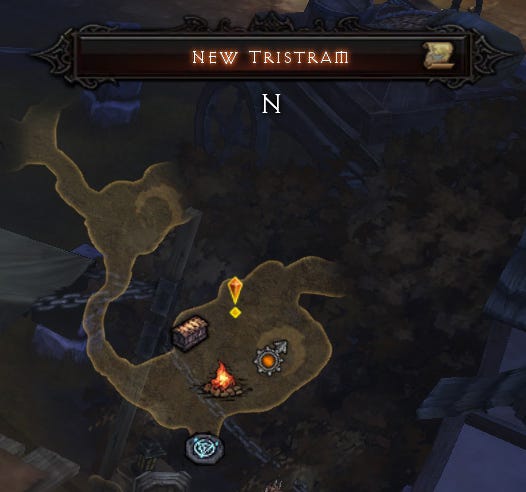
Think of your life like a minimap in any video game.
The map is dark in places you haven't explored and visible in places you have.
Same with your life.
The things you've done and places you've been are visible to you.
This means you're wandering familiar territory and taking quests you've already completed, then wondering why leveling up takes so fucking long.
This leads us to another problem.
Why Most Players Stay Stuck
Leveling up demands gaining tons of XP.
The way to do it is by fighting bosses, upgrading your equipment, and exploring the dark spots on your map, which you can only access when you have the required level and the right equipment.
If you somehow get to those dark places as a low-level or with poor equipment, you'll either be killed instantly or spend your time fleeing from enemies.
No bueno.
You won't be playing for long, that's guaranteed.
The same goes for life itself.
If you do the same tasks day in and day out, you get bored.
If you try to do something requiring 10 years of experience while just starting out, you get overwhelmed.
But here's what game developers figured out that most people miss: they've cracked the code for making growth addictive and enjoyable.
Life should feel like play.
Exploring uncharted territory
Upgrading your equipment
Doing side quests
Discovering loot
Not just endless grind.
The process of mastery becomes enjoyable when framed like progression in a game.
When you think about acquiring a skill, you most likely think about all the tedious work you have to do. But now imagine learning a skill like you would learn a new video game or a new mechanic in an already known game.
Two completely different views on the same goal.
That’s why the difference between players who quit and players who become legends isn't talent. It's understanding how to make the journey itself rewarding.
Because the one who stays longer in the fight will always win.
But you can’t just add any skill to your character.
Mapping Your Skilltree
Life isn't about finding yourself. Life is about creating yourself.
— George Bernard Shaw
Remember when you first discovered a game that completely consumed you?
Hours would disappear like minutes. You'd unlock new abilities, find better gear, and suddenly what seemed impossible yesterday felt effortless today.
Game developers have cracked the code to making growth addictive. They've figured out how to make learning feel like play rather than work.
Think about it: every level up, new gear unlock, or achievement feels magical.
The progression is perfectly sequenced. Monsters are just challenging enough to feel heroic when you beat them, while rewarding you with XP that would have taken hours to earn from grinding low-level enemies.
But here's what separates elite players from everyone else: they don't just randomly allocate skill points.
Unique intelligence
Stress resilience
Energy Patterns
Value Systems
When these three align, growth becomes effortless.
You're building a character optimized for the game you're actually playing, not the one you think you should be playing.
Creating Your Skill Tree
Now that you understand your base character build, you can create systems for systematic growth:
Start with one primary skill that leverages your natural intelligence and energizes you while serving your values.
Use this prompt to find out what primary skill is yours.
Pour XP into this until you reach competence.
Then add complementary skills that support your primary build.
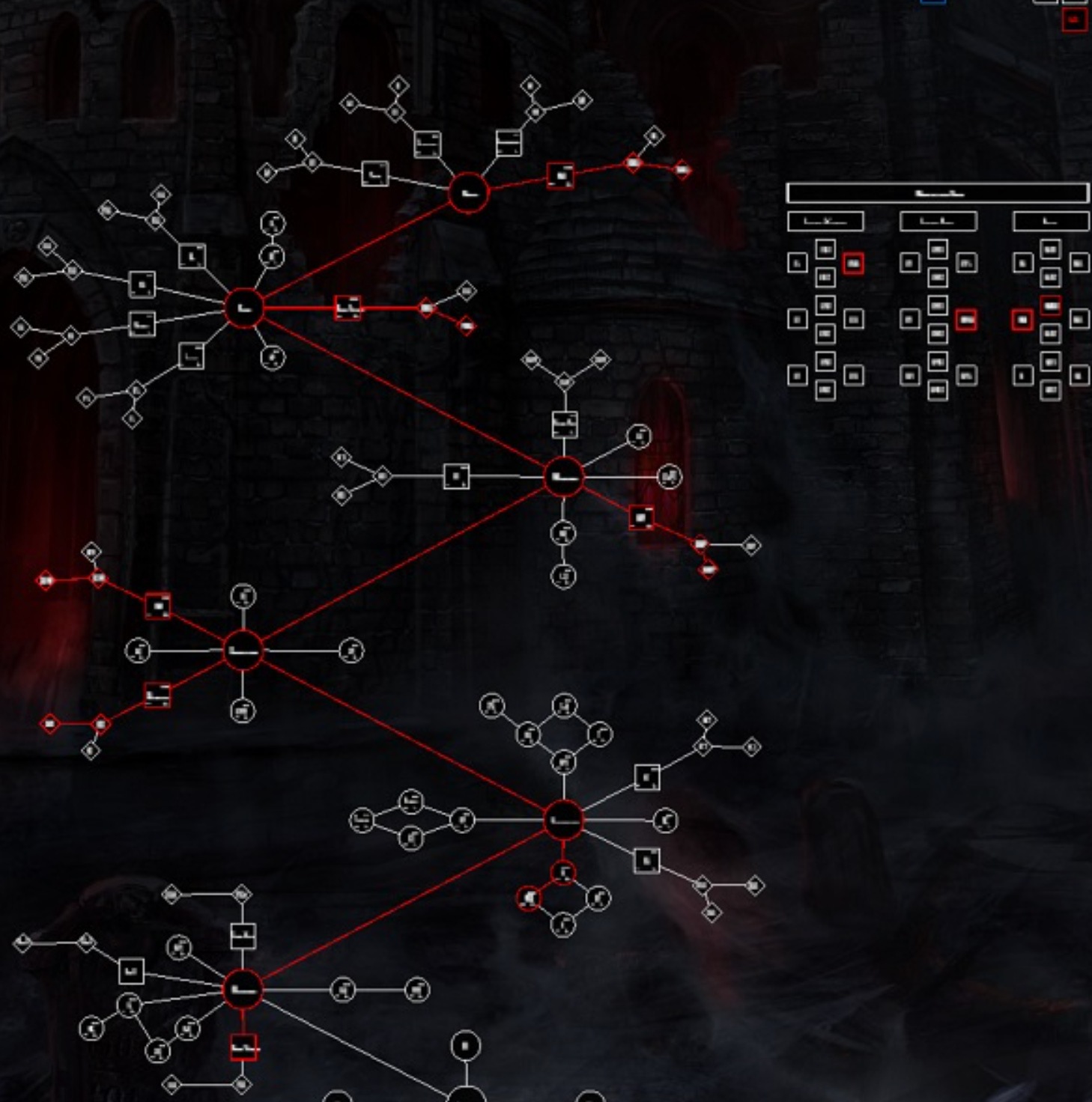
If you're naturally analytical and value efficiency, you might develop systems thinking first, then add communication skills to share your insights.
Track your progress visually. Create literal progress bars for key skills. Celebrate small wins. Make growth visible and rewarding.
Remember: the most engaging games balance challenge with capability. Stay in your zone of proximal development, challenging enough to grow, manageable enough to maintain momentum.
The Seamless Path
The map you're playing is infinite.
There are thousands of opportunities waiting around every corner.
The problem is you can't take them all. That's why not everyone takes the same route.
Your path is unique.
An archer shouldn't try close combat with a warrior.
Same in life.
You shouldn't force yourself to be the manager and networker when you're truly an introvert who gets drained by those activities.
Instead, do things that energize you.
That's how you can play this game for decades without burning out.
I learned this the hard way.
For years, I tried to build my business like the extroverted entrepreneurs I admired—networking events, cold calling, constant social media presence.
I was fighting my character build every day.
When I finally embraced my natural preference for deep work and written communication, everything changed.
Building an audience through thoughtful writing felt effortless compared to forcing myself into networking rooms where I felt like an imposter.
The Infinite Game Mindset
Here's the real secret elite players understand: mastery isn't a finish line but rather a state of play.
Finite games have clear endpoints and winners.
Infinite games exist to keep playing.
Life is an infinite game, but most people play it like a finite one, constantly looking for the moment they can finally stop growing and just coast.
This is why people get stuck.
They achieve a goal and think the game is over, only to discover they're bored and unfulfilled. They were optimizing for the end instead of optimizing for the experience of playing.
When you embrace the infinite nature of the game, freedom emerges. Leveling up feels effortless because you're not grinding toward some distant finish line. You're enjoying the process of continuous becoming.
Your Navigation System
The world is the open terrain.
Your Alignment Triangle is your compass.
The skill trees give you your progression system.
But remember: no one will walk this path for you.
NPCs can give you hints and side quests, but the exploration is yours to do.
The most rewarding discoveries happen in the dark spots on your map. The areas you haven't explored yet. That's where the real XP is hidden.
That's where you level up the fastest.
Most players stay in the safe, well-lit areas they already know.
They wonder why progress feels so slow while others seem to advance effortlessly.
The others aren't more talented.
They're just willing to venture into the unknown parts of their map.
Enter the Game
The map exists, but no one will walk it for you.
Your Alignment Triangle is your compass.
The world is an open terrain.
You now have the tools: understanding your character build, systems for growth, and the mindset for infinite play.
Enter the game.
Play your path.
Become a force of one.
 | A guest post by
|